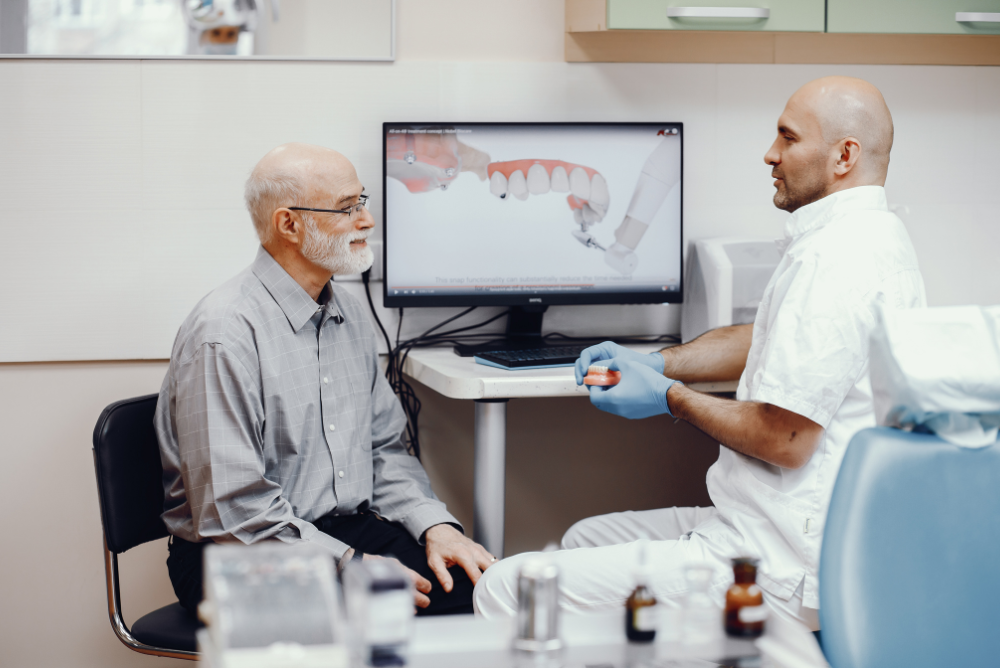
Have you lost a tooth and want to restore your smile? Missing teeth can make eating and talking harder and may affect how your other teeth line up. If you are looking for bridges in SW Edmonton, knowing how dental bridges work can help you make the right choice.
Dental bridges are a reliable and long-lasting solution for replacing one or more missing teeth. They are designed to fill the gap with natural-looking artificial teeth, helping to restore your oral function and confidence.
What Are Dental Bridges and How Do They Work?
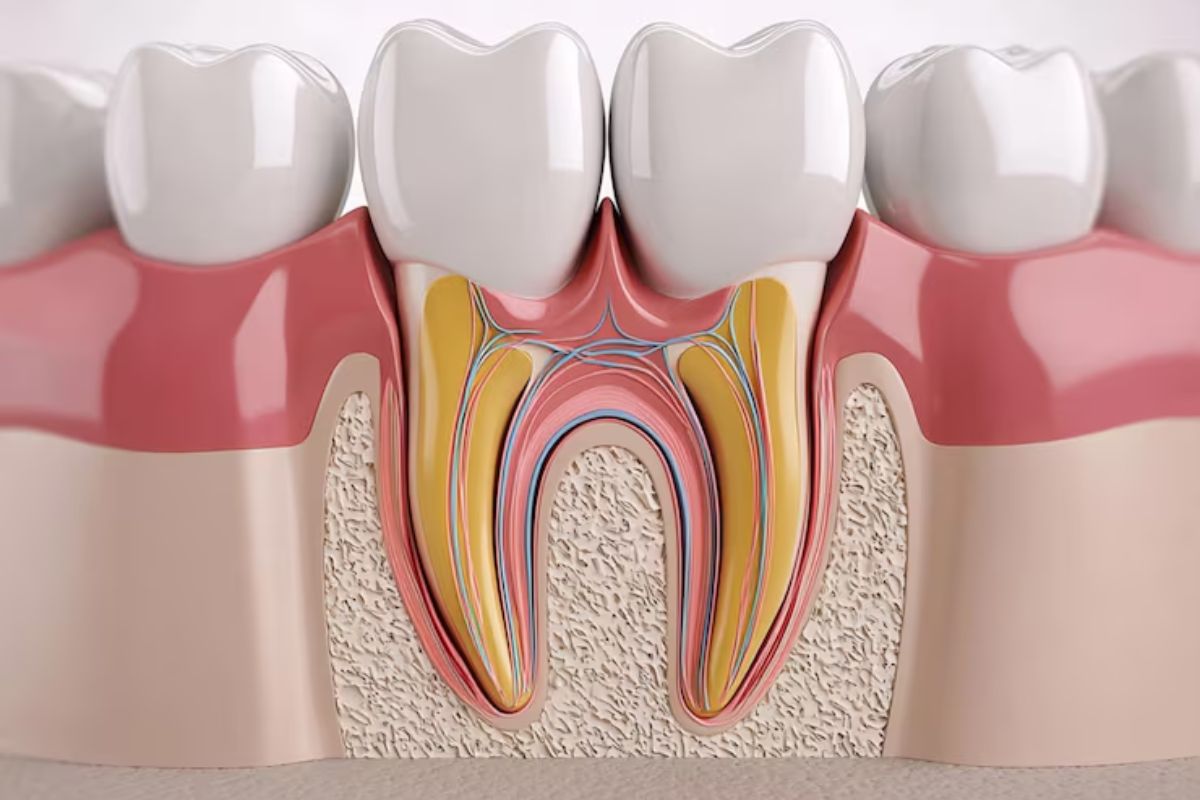
A dental bridge is a fixed prosthetic that connects one or more artificial teeth to the neighbouring natural teeth or dental implants. The teeth on either side of the gap, called abutments, support the bridge and keep it securely in place.
Key benefits of dental bridges include:
- Restoring your ability to chew and speak clearly
- Preventing other teeth from shifting
- Maintaining the shape of your face
- Enhancing your smile and appearance
Visiting a dental clinic near you can help you learn which type of bridge is best suited for your oral health needs.
Types of Dental Bridges Available
There are several types of bridges near you used in modern dentistry. Each comes with its own advantages:
- Traditional Bridges: Supported by crowns on adjacent teeth, ideal for most situations.
- Cantilever Bridges: Used when only one side of the gap has a supporting tooth.
- Maryland Bridges: Uses metal or porcelain frameworks bonded to teeth.
- Implant-Supported Bridges: Anchored to dental implants for maximum stability.
Your dentist can recommend the type that fits your specific needs.
How Long Do Dental Bridges Last?
Dental bridges are designed to last many years with proper care. On average, a bridge can last 10–15 years or more. Longevity depends on oral hygiene, regular dental checkups, and avoiding habits that could damage your teeth.
Tips to maintain your bridge:
- Brush twice daily
- Floss carefully around the bridge
- Use an antibacterial mouthwash.
- Avoid chewing very hard foods.
What is the Procedure for Getting a Dental Bridge?
The process typically involves two or more visits to a dentist:
- Initial Consultation: Exam and imaging to plan the bridge.
- Tooth Preparation: Shaping the abutment teeth for crowns.
- Impressions: A mould is made to fabricate the bridge.
- Temporary Bridge: A temporary bridge is placed while the permanent one is made.
- Placement: The permanent bridge is fitted, adjusted, and cemented in place.
Who Can Benefit from a Dental Bridge?
Dental bridges are suitable for adults who have lost one or more teeth due to decay, injury, or other oral health issues. Ideal candidates should have healthy neighbouring teeth to support the bridge.
Benefits include:
- Restoring normal chewing function
- Improving speech clarity
- Preventing jawbone deterioration
- Boosting self-esteem and confidence
Caring for Your Dental Bridge
Proper care ensures comfort and longevity. Here are some tips:
- Use a soft-bristle toothbrush and fluoride toothpaste.
- Floss with special threaders for bridges
- Schedule regular visits to your dental clinic.
- Avoid sticky or hard foods that may damage the bridge.
Bring Back Comfort and Confidence!
Do you want your smile back and to eat easily again? Dental bridges can replace missing teeth in a simple and natural way while keeping your mouth healthy. Book a visit today at Riverbend Square Dental for care made just for you.
FAQs
How long does it take to receive a dental bridge?
The average person comes in for 2–3 visits over a few weeks.
Can dental bridges be taken out?
A traditional bridge and an implant-supported bridge are both fixed. Temporary bridges can be removed.
Do dental bridges have a natural feel?
Yes, they are made to match your natural teeth in shape and colour.
Will I have speech issues wearing a dental bridge?
Most patients quickly adapt and talk normally.