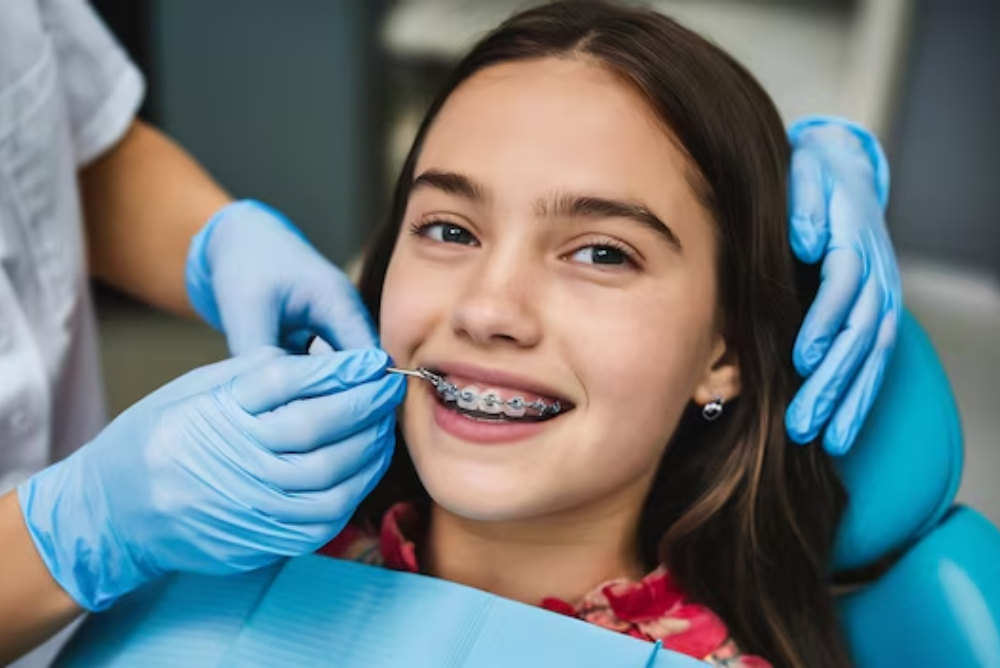
If your teeth feel crowded, look uneven, or do not line up properly when you bite, Orthodontics in SW Edmonton may be the right solution for improving your smile and bite. Many people delay treatment because they are unsure whether they truly need braces or aligners, but spotting the signs early can help prevent discomfort and future dental problems. These treatments use safe, proven methods for teens and adults.
This guide shows the warning signs to notice, explains how braces and aligners straighten teeth, and helps you decide which option is right for you.
What Are the Common Signs You May Need Orthodontic Treatment?
Crooked teeth are not just a cosmetic issue. They can affect how well you chew, speak, and clean your teeth. Orthodontics often recommended when these signs appear:
- Teeth overlap or twist
- Gaps between teeth that trap food
- Jaw pain or frequent headaches
- Teeth wear down unevenly
- Biting or chewing feels uncomfortable
If you notice one or more of these issues, it may be time for a professional evaluation.
Why Do Crooked Teeth Cause Long-Term Problems?
When teeth are not aligned, plaque builds up more easily. This can raise the risk of cavities and gum problems over time. A dentist in SW Edmonton may recommend orthodontic care not just to improve appearance, but also to support long-term oral health and function.
Misaligned teeth can also put stress on the jaw, leading to soreness or clicking sounds when opening and closing your mouth.
What is Professional Teeth Straightening?
Using orthodontic equipment, professional teeth straightening slowly repositions your teeth into better places. The procedure is methodically arranged to match the contour of your mouth and your bite pattern.
Benefits include:
- Easier brushing and flossing
- Improved bite balance
- Better speech clarity
- More even tooth wear
- Increased confidence when smiling
This approach is safe, gradual, and tailored to each patient.
How Do Braces Work?
Braces are a set of brackets and wires that slowly push the teeth into position. The appliance exerts a constant pressure that allows the teeth to shift slowly and safely over a period of months.
Braces could be an option for you:
- Intense crowding
- Serious Bite Issues
- Teeth that rotate very much
A dentist near you may recommend braces whenever there’s a need for precision control to move the teeth.
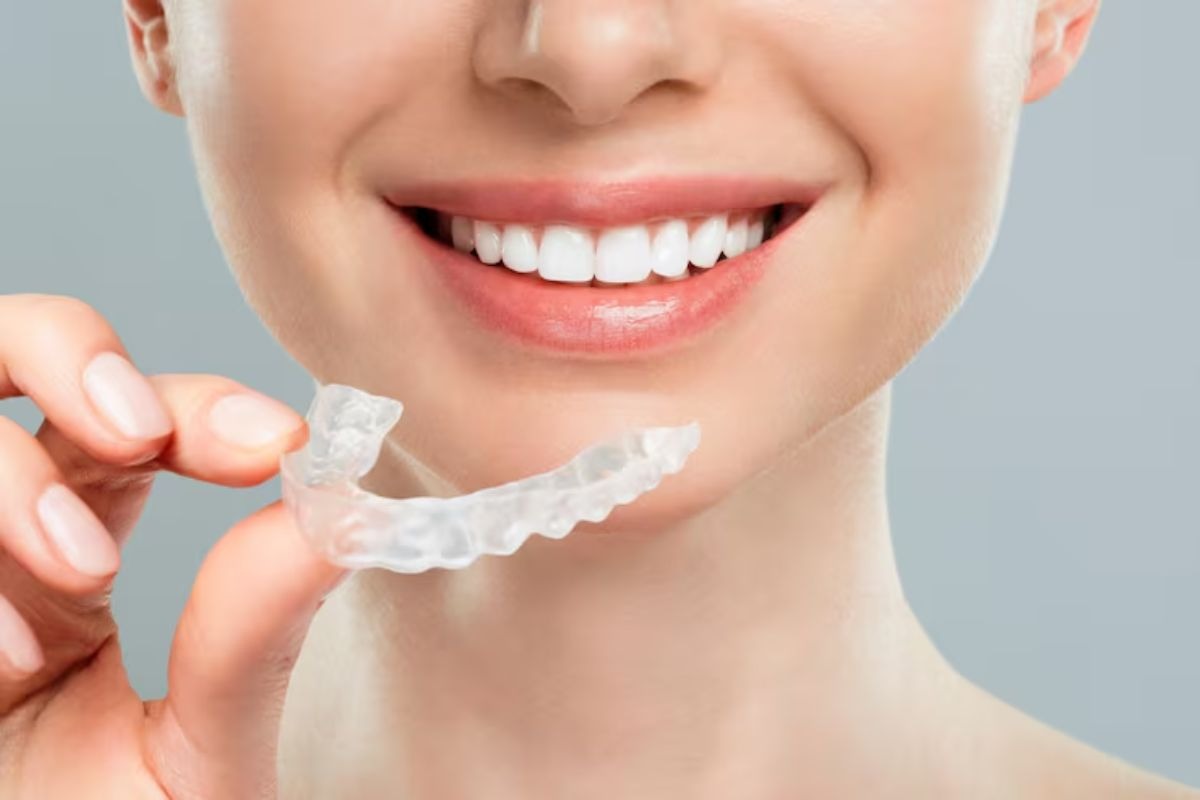
How Do Clear Aligners Work?
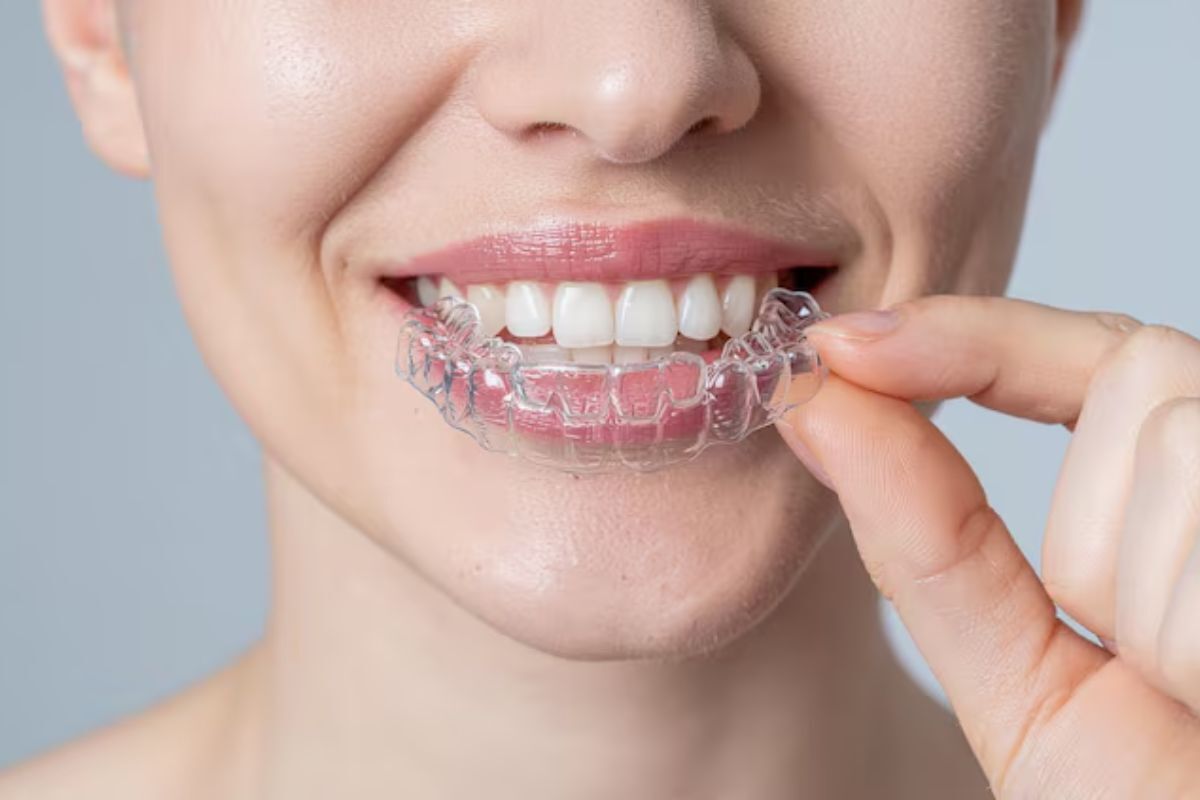
Aligners are removable trays made from smooth, clear material. Each set is worn for approximately two weeks before being replaced by the next one in the series.
Aligners are often chosen because they:
- Are invisible
- Can be removed for eating
- Make brushing and flossing easier
- Feel smoother on the gums
They are most effective for mild to moderate alignment concerns and should be worn consistently on a daily basis.
What Types of Orthodontic Treatments Are Available
There are several types of Orthodontic Treatments, and each serves a different need. Here is a simple comparison:
| Treatment Option | Best For | Visibility | Removable |
| Metal Braces | Complex alignment issues | Visible | No |
| Ceramic Braces | Moderate issues | Less visible | No |
| Clear Aligners | Mild to moderate cases | invisible | Yes |
Your orthodontic provider will help you choose the option that fits your teeth and daily routine.
How Do You Know Which Option is Right for You?
Choosing between braces and aligners depends on several factors:
- How severe the alignment issue is
- How disciplined you are with wearing aligners
- Your comfort and lifestyle preferences
- Your age and jaw development
A detailed exam helps determine which treatment will give the best and safest results.
What Age is Right for Orthodontic Care?
Orthodontic care works at many ages. Teens often start treatment while their jaws are still growing. Adults can also benefit, as teeth can be moved safely at any stage of life.
Early care can shorten treatment time, but it is never too late to improve your smile.
What Happens During an Orthodontic Consultation?
During a visit, your provider will:
- Examine your teeth and bite.
- Take digital images or X-rays
- Explain treatment options clearly.
- Review expected timelines
This step ensures you understand the process and feel confident moving forward.
Ready to Take the Next Step?
Having straighter teeth can help you feel at ease and confident. It is also beneficial to your long-term oral health. An assessment will tell you if you need braces or aligners. On visiting an orthodontist, you will get a thorough plan of action. Make an appointment with Riverbend Square Dental for an orthodontic consultation to get started on your journey towards a new smile.
FAQs
Can crooked teeth straighten out on their own?
No. As people grow older, their teeth shift more. Treatment is required only to get its alignment corrected.
Are braces exclusive to teenagers?
Certainly not. Many adults seek orthodontic treatment for comfort and confidence.
Do aligners work as well as braces?
For mild to moderate cases, aligners can be just as effective when worn correctly.
Will orthodontic treatment affect daily life?
After a short adjustment period, most people continue normal routines with little trouble.